Fifteen years ago, I walked into a client’s bedroom at 6:15 on a summer morning. She was exhausted. She’d bought “blackout” curtains twice and still woke up with the sun every day. Standing in her room, I watched a thin glowing line of light creep around the edges of her curtains, right across her pillow.
That moment taught me something I’ve repeated to hundreds of homeowners since: blackout curtains aren’t just about the fabric. They’re about the fit, the layers, and the details most people never think to check.
If you’ve been tossing and turning, waking at dawn, or sleeping badly because of streetlights, here’s how I’d choose blackout curtains if I were doing it for my own bedroom.
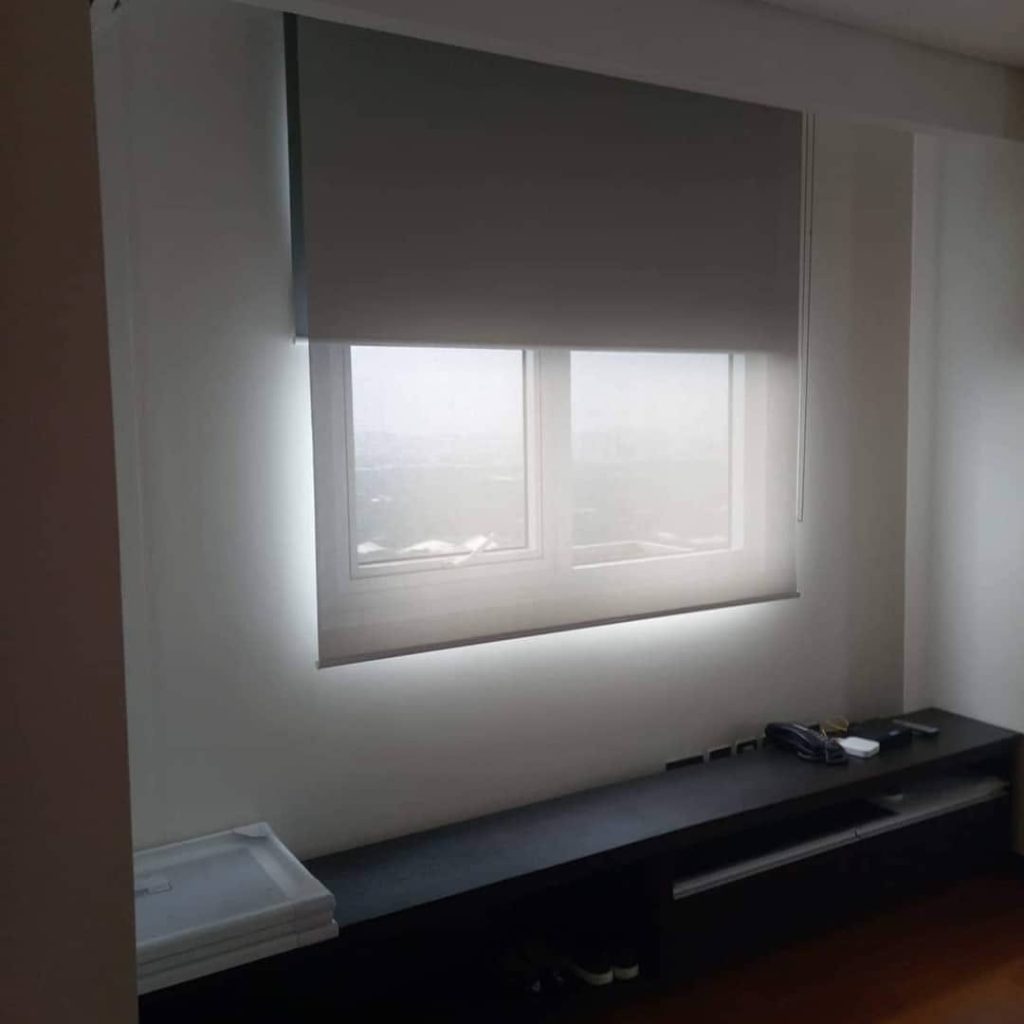
Why Darkness Matters for Your Sleep
Your body runs on light. Evening darkness helps signal that it’s time to wind down, and bright light, even a little of it, can make it harder to fall asleep or stay asleep. Streetlamps, early sunrises, car headlights, and neighbors’ porch lights all add up.
Good blackout curtains give you a room that feels like night whenever you need it, whether you work night shifts, nap with kids, live on a busy street, or just want deeper rest.
Step 1: Know the Difference Between Blackout and Room Darkening
This is the most common mistake I see.
- Room darkening curtains reduce light and soften the glow, but some still passes through. They suit people who want a calmer, dimmer room.
- True blackout curtains use a dense or lined fabric to block nearly all light through the material itself.
If you’re a light sleeper, a shift worker, or live somewhere with very bright mornings, go for true blackout. Check the product description carefully. Terms like “light filtering” or “room darkening” don’t mean the same thing.
Step 2: Choose the Right Fabric and Lining
Fabric decides how your curtains look, hang, and perform. These are the options I recommend most often:
- Triple-weave fabric: Three layers woven together, with a dark middle layer that blocks light. It’s a great all-rounder.
- Foam-backed or coated curtains: Very effective at blocking light, and often a good insulator.
- Lined heavy fabrics (velvet, thick cotton blends, linen blends with blackout lining): Beautiful and luxurious. A separate blackout lining gives you style and function together.
- Thermal blackout: If your bedroom gets very hot in summer or drafty in winter, this adds comfort and can help with temperature control.
Specialist tip: Hold a fabric sample up to a window or your phone’s flashlight. If you can see the light glowing through, it won’t block light well enough for a bedroom.
Step 3: Measure Like a Pro (This Is Where Most People Go Wrong)
Even the best blackout fabric fails if it doesn’t cover the window properly. Light loves gaps.
For width: Choose curtains that are roughly 2 to 2.5 times the width of your window. Fuller curtains close more snugly, with fewer gaps and a richer look.
For height: Mount the rod higher than the window frame, closer to the ceiling if possible. This stops light from leaking over the top and makes the room feel taller.
For overlap: Extend the rod 6 to 12 inches (15 to 30 cm) beyond each side of the window. This blocks the side glow that ruined my client’s mornings.
For length: Curtains should either just skim the floor or sit slightly above it. Don’t leave a large gap underneath, where light sneaks in.
Step 4: Pick the Best Heading Style for Light Control
How the curtain hangs matters as much as what it’s made of.
- Wrap-around rods curve back toward the wall, closing the side gaps. They’re excellent for light blocking.
- Grommet and pinch-pleat styles look polished, but they can leave small gaps at the top and sides, so pair them with a good rod setup.
- Tab-top and rod-pocket styles are simple and effective when the fabric is full enough.
If you want near-total darkness, consider adding a blackout liner or a roller blackout shade behind your decorative curtains. The two-layer combination is my favorite fix for stubborn bedrooms.
Step 5: Choose a Color That Matches Your Style and Sleep Goals
Here’s a myth worth clearing up: blackout doesn’t have to mean black. A well-made blackout curtain can come in soft grey, warm beige, navy, sage green, or blush, with the blocking power built into the lining.
- Darker colors tend to look dramatic and cozy.
- Lighter colors can brighten the room’s look by day while still delivering darkness at night.
Choose a color that makes you feel calm when you walk in. A bedroom should feel like a sanctuary, not a cave.
Step 6: Consider Noise, Temperature, and Privacy Too
Good blackout curtains often bring extra benefits:
- Sound softening: Thick, heavy fabrics can take the edge off street noise.
- Temperature comfort: Thermal-lined styles help keep rooms cooler in summer and cozier in winter.
- Privacy: Blackout curtains keep your bedroom private day and night.
These extras can make a real difference in how restful your room feels.
Step 7: Don’t Forget the Small Details
After 15 years, these are the finishing touches I never skip:
- Use a wide, sturdy curtain rod that can handle the weight of heavy fabric.
- Add side returns or wrap-around brackets to close the gap between the curtain and the wall.
- Check your light sources. Electronics with glowing LEDs, hallway light under the door, and bright alarm clocks can all disturb sleep, so cover or dim them too.
- Test your setup in the morning. Close the curtains at dawn and look for light leaks, then adjust.
Quick Checklist: Choosing Blackout Curtains
- ✅ Labeled true blackout, not just light filtering
- ✅ Dense, lined, or triple-woven fabric
- ✅ Width 2 to 2.5 times your window
- ✅ Rod mounted high and wide beyond the frame
- ✅ Floor-skimming length
- ✅ A color and texture you love
- ✅ Optional thermal lining for comfort
Frequently Asked Questions
Do blackout curtains really help you sleep better?
They can. A darker room supports your body’s natural sleep rhythm and cuts down on disturbances from sunrise and outdoor lights. Results vary by person, but many people notice more restful sleep.
Are blackout curtains better than blackout blinds or shades?
Neither is universally better. Curtains offer softness, style, and sound dampening, while blinds and shades can fit snugly inside the window frame. For the darkest room, combine them.
Will blackout curtains make my room too dark during the day?
Only when you want them to. Open them in the morning to let in natural light, and close them when it’s time to rest.
How do I stop light from leaking around my curtains?
Use a wider rod, mount it higher, choose fuller fabric, and consider wrap-around brackets or a liner.
Can I wash blackout curtains?
Many can be machine washed on a gentle cycle, but always check the care label, since coatings and linings vary.
Final Thoughts From My Window Specialist Years
Great sleep rarely comes from one big change. It’s built from small, thoughtful choices, and your window treatments are one of the most powerful ones. The right blackout curtains don’t just block light. They help turn your bedroom into a place where you can finally exhale.
Take your measurements, check your fabric, and choose something that feels like you. Tonight could be the start of the best sleep you’ve had in years.
Ready to find your perfect pair? Explore our window treatment collection at Mavs Shades and bring the darkness, comfort, and style your bedroom deserves.